|
Show all abstracts Show selected abstracts Add to my list |
|
| GUEST EDITORIALS |
|
|
|
Dengue infection: An emerging cause of neuromuscular weakness |
p. 1 |
Jency Koshy, Jeyaraj D Pandian DOI:10.4103/0976-3147.91919 PMID:22346179 |
| [HTML Full text] [PDF] [Mobile Full text] [EPub] [PubMed] [Sword Plugin for Repository]Beta |
|
|
|
|
|
|
Importance of preliminary epidemiology studies in rural areas of developing countries |
p. 2 |
Benjamin Chitambira DOI:10.4103/0976-3147.91920 PMID:22346180 |
| [HTML Full text] [PDF] [Mobile Full text] [EPub] [PubMed] [Sword Plugin for Repository]Beta |
|
|
|
|
|
|
Cerebellar infarct with neurogenic pulmonary edema following viper bite |
p. 4 |
Michael C Godpower DOI:10.4103/0976-3147.91921 PMID:22346181 |
| [HTML Full text] [PDF] [Mobile Full text] [EPub] [PubMed] [Sword Plugin for Repository]Beta |
|
|
|
|
|
|
| ORIGINAL ARTICLES |
 |
|
|
 |
Assessment of mental disorders using the patient health questionnaire as a general screening tool in western Nigeria: A community-based study  |
p. 6 |
OE Amoran, OO Ogunsemi, VO Lasebikan DOI:10.4103/0976-3147.91922 PMID:22346182Background: Screening at the community level will provide keys to promoting health and preventing diseases at the community level and serve as the fulcrum for timely detection and intervention. This study aims to assess the prevalence and nature of mental disorder among the general population using the patient health questionnaire (PHQ). It also compares the use of PHQ and GHQ as general screening tools for mental disorders. Materials and Methods: This community-based study is cross sectional in design. Multistage sampling technique was used to obtain a representative sample of the communities. The PHQ and GHQ-12 questionnaires were concurrently administered by health care workers that were nondoctors to screen for psychiatric symptoms. Results: A total of 758 participants took part in the study, 496 (65.4%) of the subjects had a form of psychopathology or the other using PHQ and 143 (18.9%) using GHQ questionnaire (χ2 = 20.92, P = 0.000). Three hundred and thirty one subjects (43.7%) met the criteria for Somatoform disorder but 6.0% ever treated at PHC, 269 (35.5%) for depression and 4.8% ever treated, 127 (16.8%) for panic disorder and 5.5% ever treated, while 165 (21.8%) for general anxiety and 4.8% ever treated. Predictors of psychopathology were individuals who were singles (OR = 0.64, CI = 0.49-0.93) concerns about their health (OR = 3.06, CI = 2.06-4.56), worried about finance (OR = 1.84, CI = 1.27-2.67), worried about family life (OR = 2.68, CI = 1.61-4.72), and stressed at work (OR = 1.16, CI = 1.06-1.28). Conclusion: There is a high prevalence of psychopathology at the community level in this African population and few had ever been treated. PHQ as a general screening tool has a higher false-positive value compared to GHQ when used by nondoctors. PHQ should be used as an instrument to screen for specific mental disorders rather than a general screening tool for psychiatric morbidity at the community level. |
| [ABSTRACT] [HTML Full text] [PDF] [Mobile Full text] [EPub] [PubMed] [Sword Plugin for Repository]Beta |
|
|
|
|
|
 |
Neurological disorders and barriers for neurological rehabilitation in rural areas in Uttar Pradesh: A cross-sectional study |
p. 12 |
Hirdesh Kumar, Nalina Gupta DOI:10.4103/0976-3147.91923 PMID:22346183Background: In India, the majority of individuals with neurological disorders are rural based and cannot even afford the cost of rehabilitation. At the same time, we do not have barrier free environment in India. Aim: This study attempts to find out the neurological disorders and barriers for neurological rehabilitation in rural areas in Uttar Pradesh, India. Setting: Rural areas in Uttar Pradesh, India. Design: It is a cross-sectional study. Materials and Methods: The study was done by means of an interview method using a questionnaire. The rural areas in Uttar Pradesh were visited personally and a data from 201 individuals was collected. Statistical Analysis Used : Data analysis was done by using descriptive statistics. Results: Out of 201 individuals, 76.6% (n=154) individuals were with polio, 12.9% (n=26) were with cerebral palsy, 7.9% (n=16) were with stroke and 2.4% (n=5) were with spinal cord injury. Reasons for not taking the treatment/discontinuation of treatment were financial problem (44%), lack of awareness (43%), family negligence (6%), transportation problem (3.5%) and other environmental barriers (1%). Conclusion: In our study, we found polio to be the most prevalent disorder followed by Cerebral Palsy, Stroke and Spinal Cord Injury. Financial problem was the major barrier for neurological rehabilitation followed by lack of awareness, family negligence and transportation problem. |
| [ABSTRACT] [HTML Full text] [PDF] [Mobile Full text] [EPub] [Citations (1) ] [PubMed] [Sword Plugin for Repository]Beta |
|
|
|
|
|
|
| COMMENTARY |
 |
|
|
|
Commentary |
p. 16 |
Raji Thomas PMID:22346184 |
| [HTML Full text] [PDF] [Mobile Full text] [EPub] [PubMed] [Sword Plugin for Repository]Beta |
|
|
|
|
|
|
| ORIGINAL ARTICLES |
 |
|
|
 |
The evaluation of the clinical, laboratory and the radiological findings of the fifty-five cases diagnosed with tuberculous, Brucellar and pyogenic spondylodiscitis |
p. 17 |
Kadriye Yasar, Filiz Pehlivanoglu, Gulten Cicek, Gonul Sengoz DOI:10.4103/0976-3147.91925 PMID:22346185Objective: In this study, the evaluation of the clinical, laboratory and radiological findings belonging to 55 cases that were hospitalized in our clinic to be followed-up and were diagnosed with tuberculous, brucellar and pyogenic spondylodiscitis (SD) was aimed. Materials and Methods: The cases with SD were evaluated retrospectively. Hematological, serological, biochemical laboratory tests and imaging technics were used for diagnosis. Results: Of 55 cases aged ranging between 25 to 79, 33 (59%) were female. The cases with tuberculous SD (TBSD), brucellar SD (BSD) and pyogenic SD (PSD) were found in 24 (43%), 12 (21%) and in 19 (34%) patients.Erytrocyte sedimentation rate, increased C-reactive protein, and leucocytosis were present in 51 (91%), 22 (39%) and 8 (14%) cases. The number of the cases with history of previous surgery or trauma was 14 (25%). Diagnosis of TBSD was established by acid fast bacilli positiveness and Löwenstein Jensen culture positiveness, in two and seven patients, respectively. While all 12 cases with BSD had positive standard tube aglutination test, only 3 (25%) had hemoculture positivity. In PSDs, diagnosis was confirmed with culture positivity in 9 of 19 cases.Of the cases in our study, 89% responded to medical treatment while three required surgery and three died (5.5% and 5.5%, respectively). Conclusion: SD may develop secondary to infections or following spinal surgical procedures and traumas. Also, the importance of endemicity should be kept in mind, beside the helpful diagnostic findings while treatment regulation. |
| [ABSTRACT] [HTML Full text] [PDF] [Mobile Full text] [EPub] [PubMed] [Sword Plugin for Repository]Beta |
|
|
|
|
|
 |
Carotid intima-media thickness and apolipoproteins in patients of ischemic stroke in a rural hospital setting in central India: A cross-sectional study  |
p. 21 |
Jyoti Jain, Tejal Lathia, Om Prakash Gupta, Vishakha Jain DOI:10.4103/0976-3147.91926 PMID:22346186Context: Carotid intima-media thickness (CIMT) and apolipoproteins have been found as a risk factor for ischemic stroke . Objective: The objective was to study the carotid intima-media thickness, apolipoproteins, and their relation in patients of ischemic stroke in central rural India. Settings and Design: A cross-sectional study was performed in a rural hospital in central India. Materials and Methods: In all patients of ischemic stroke proven by computerized tomography (CT), CIMT, apolipoprotein A-I (ApoA-I), and apolipoprotein B(ApoB) were measured. Statistical Analysis Used: We used Student's t-test to compare means, a chi-square test to compare proportions, and a Mann-Whitney test to compare medians. A P value <0.05 was considered significant. Results: The mean age of our study population (N=106) was 61 years. The mean CIMT was 0.83 mm ranging from a minimum of 0.45 mm to a maximum of 1.096 mm. Mean CIMT was significantly higher than expected 0.67 values, which was calculated according to the age of the study population. The association of decreased ApoA-I < 100 mg/dl and increased ApoB > 90 mg/dl with CIMT > 0.7 mm was statistically significant with P<0.001. Conclusions: The CIMT in computerized tomography-proven ischemic stroke was significantly higher than expected for the age of the study population. The relation of decreased ApoA-I and increased ApoB with CIMT > 0.7 mm was also statistically significant. |
| [ABSTRACT] [HTML Full text] [PDF] [Mobile Full text] [EPub] [PubMed] [Sword Plugin for Repository]Beta |
|
|
|
|
|
 |
Perioperative outcomes following surgery for brain tumors: Objective assessment and risk factor evaluation |
p. 28 |
Aliasgar V Moiyadi, Prakash M Shetty DOI:10.4103/0976-3147.91927 PMID:22346187Background: Perioperative outcomes following surgery for brain tumors are an important indicator of the safety as well as efficacy of surgical intervention. Perioperative morbidity not only has implications on direct patient care, but also serves as an indicator of the quality of care provided, and enables objective documentation, for comparision in various clinical trials. We document our experience at a tertiary care referral, a dedicated neuro-oncology center in India. Materials and Methods: One hundred and ninety-six patients undergoing various surgeries for intra-axial brain tumors were analyzed. Routine microsurgical techniques and uniform antibiotic policy were used. Navigation/ intraoperative electrophysiological monitoring was not available. The endpoints assessed included immediate postoperative neurological status, neurological outcome at discharge, regional complications, systemic complications, overall morbidity, and mortality. Various risk factors assessed included clinico-epidemiological factors, tumor-related factors, and surgery-related factors. Univariate and multivariate analysis were performed. Results: Median age was 38 years. 72% had tumors larger than 4 cm. Neurological morbidity, and regional and systemic complications occurred in 16.8, 17.3, and 10.7%, respectively. Overall, major morbidity occurred in 18% and perioperative mortality rate was 3.6%. Although a few of the known risk factors were found to be significant on univariate analysis, none achieved significance on multivariate analysis. Conclusions: Our patients were younger and had larger tumors than are generally reported. Despite the unavailability of advanced intraoperative aids we could achieve acceptable levels of morbidity and mortality. Objective recording of perioperative events is crucial to document outcomes after surgery for brain tumors. |
| [ABSTRACT] [HTML Full text] [PDF] [Mobile Full text] [EPub] [Citations (2) ] [PubMed] [Sword Plugin for Repository]Beta |
|
|
|
|
|
|
Acute neuromuscular weakness associated with dengue infection |
p. 36 |
Harmanjit Singh Hira, Amandeep Kaur, Anuj Shukla DOI:10.4103/0976-3147.91928 PMID:22346188Background: Dengue infections may present with neurological complications. Whether these are due to neuromuscular disease or electrolyte imbalance is unclear. Materials and Methods: Eighty-eight patients of dengue fever required hospitalization during epidemic in year 2010. Twelve of them presented with acute neuromuscular weakness. We enrolled them for study. Diagnosis of dengue infection based on clinical profile of patients, positive serum IgM ELISA, NS1 antigen, and sero-typing. Complete hemogram, kidney and liver functions, serum electrolytes, and creatine phosphokinase (CPK) were tested. In addition, two patients underwent nerve conduction velocity (NCV) test and electromyography. Results: Twelve patients were included in the present study. Their age was between 18 and 34 years. Fever, myalgia, and motor weakness of limbs were most common presenting symptoms. Motor weakness developed on 2 nd to 4 th day of illness in 11 of 12 patients. In one patient, it developed on 10 th day of illness. Ten of 12 showed hypokalemia. One was of Guillain-Barré syndrome and other suffered from myositis; they underwent NCV and electromyography. Serum CPK and SGOT raised in 8 out of 12 patients. CPK of patient of myositis was 5098 IU. All of 12 patients had thrombocytopenia. WBC was in normal range. Dengue virus was isolated in three patients, and it was of serotype 1. CSF was normal in all. Within 24 hours, those with hypokalemia recovered by potassium correction. Conclusions: It was concluded that the dengue virus infection led to acute neuromuscular weakness because of hypokalemia, myositis, and Guillain-Barré syndrome. It was suggested to look for presence of hypokalemia in such patients. |
| [ABSTRACT] [HTML Full text] [PDF] [Mobile Full text] [EPub] [Citations (2) ] [PubMed] [Sword Plugin for Repository]Beta |
|
|
|
|
|
|
| COMMENTARY |
 |
|
|
|
Commentary |
p. 39 |
Ambuj Shrivastava, Natarajan Gopalan, Ashamukul Jana PMID:22346189 |
| [HTML Full text] [PDF] [Mobile Full text] [EPub] [PubMed] [Sword Plugin for Repository]Beta |
|
|
|
|
|
|
| ORIGINAL ARTICLE |
 |
|
|
|
Role of nitrosative and oxidative stress in neuropathy in patients with type 2 diabetes mellitus |
p. 41 |
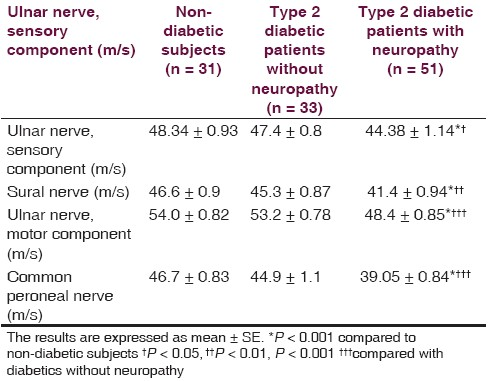
Marwan S Al-Nimer, Fakhir S Al-Ani, Fatima S Ali DOI:10.4103/0976-3147.91932 PMID:22346190Objectives : Evidences of oxidative and/or nitrosative stress in type 2 diabetes mellitus were demonstrated in experimental and human studies. This study is aimed to assess the serum peroxynitrite and oxidized lipoproteins in patients with type 2 diabetes mellitus presented with clinical and laboratory evidences of peripheral neuropathy. Materials and Methods : Eighty four patients with type 2 diabetes mellitus (51 of them had neuropathy) and 31 apparent healthy subjects were studied in the unit of neurophysiology at the University Hospital of Medical College, Al-Nahrin University in Baghdad, Iraq. Neuropathy total symptom score (NTSS), neuropathy impairment score in the lower leg (NIS-LL), and nerve conduction velocity of sensory (ulnar and sural) and motor (ulnar and common peroneal) nerves were used to assess the neuropathy. Fasting venous blood was obtained from each participant for the determination of serum glucose and oxidized lipoproteins. Results: The electrophysiology study revealed significant decrease in conduction velocity of ulnar (sensory and motor components), sural, and common peroneal nerves in diabetic neuropathy compared to diabetics without neuropathy and healthy subjects. Significant high level of serum peroxynitrite was found in diabetic patients with or without neuropathy compared with non-diabetics. The changes in serum-oxidized lipoproteins in patients with diabetics with or without neuropathy were non-significantly differed from healthy subjects. Neither nitrosative stress nor oxidative stress indices correlated with the variables that are related to the neuropathy. Conclusion: It concludes that evidence of nitrosative and to less extent the oxidative stress is associated with neuropathy in type 2 diabetes mellitus and their indices not correlated with variables related to neuropathy. |
| [ABSTRACT] [HTML Full text] [PDF] [Mobile Full text] [EPub] [PubMed] [Sword Plugin for Repository]Beta |
|
|
|
|
|
|
| REVIEW ARTICLE |
 |
|
|
|
Buprenorphine vs methadone treatment: A review of evidence in both developed and developing worlds |
p. 45 |
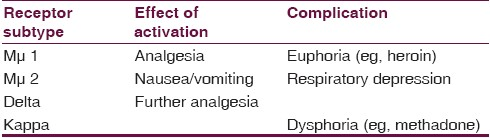
Paul J Whelan, Kimberly Remski DOI:10.4103/0976-3147.91934 PMID:22346191Heroin dependence is a major health and social problem associated with increased morbidity and mortality that adversely affects social circumstances, productivity, and healthcare and law enforcement costs. In the UK and many other Western countries, both methadone and buprenorphine are recommended by the relevant agencies for detoxification from heroin and for opioid maintenance therapy. However, despite obvious benefits due to its unique pharmacotherapy (eg, greatly reduced risk of overdose), buprenorphine has largely failed to overtake methadone in managing opioid addiction. The experience from the developing world (based on data from India) is similar. In this article we compare the advantages and disadvantages of the use methadone and buprenorphine for the treatment of opioid addiction from both a developed and developing world perspective; and explore some of the reasons why buprenorphine has not fulfilled the expectations predicted by many in the addictions field. |
| [ABSTRACT] [HTML Full text] [PDF] [Mobile Full text] [EPub] [Citations (1) ] [PubMed] [Sword Plugin for Repository]Beta |
|
|
|
|
|
|
| COMMENTARY |
 |
|
|
|
Commentary |
p. 50 |
Kushal Jain PMID:22346192 |
| [HTML Full text] [PDF] [Mobile Full text] [EPub] [PubMed] [Sword Plugin for Repository]Beta |
|
|
|
|
|
|
| CASE REPORT |
 |
|
|
 |
Pediatric brainstem oligodendroglioma |
p. 52 |
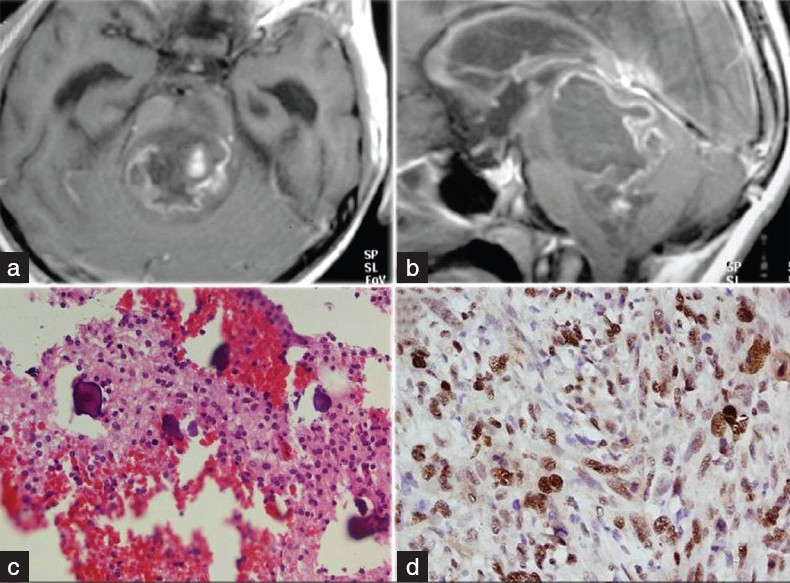
Sandeep Mohindra, Amey Savardekar, Amanjit Bal DOI:10.4103/0976-3147.91940 PMID:22346193The authors present the first report of pediatric brainstem oligodendroglioma, infiltrating midbrain, and medulla oblongata. The report details clinical features, radiological findings, and surgical steps. As this entity is exceedingly uncommon, the overall epidemiology, prognosis, and long-term outcome remain far from established. |
| [ABSTRACT] [HTML Full text] [PDF] [Mobile Full text] [EPub] [PubMed] [Sword Plugin for Repository]Beta |
|
|
|
|
|
|
| COMMENTARY |
 |
|
|
|
Commentary |
p. 54 |
Aaron Mohanty PMID:22346194 |
| [HTML Full text] [PDF] [Mobile Full text] [EPub] [PubMed] [Sword Plugin for Repository]Beta |
|
|
|
|
|
|
| CASE REPORTS |
 |
|
|
 |
Meckel-Gruber syndrome: Report of two cases  |
p. 56 |
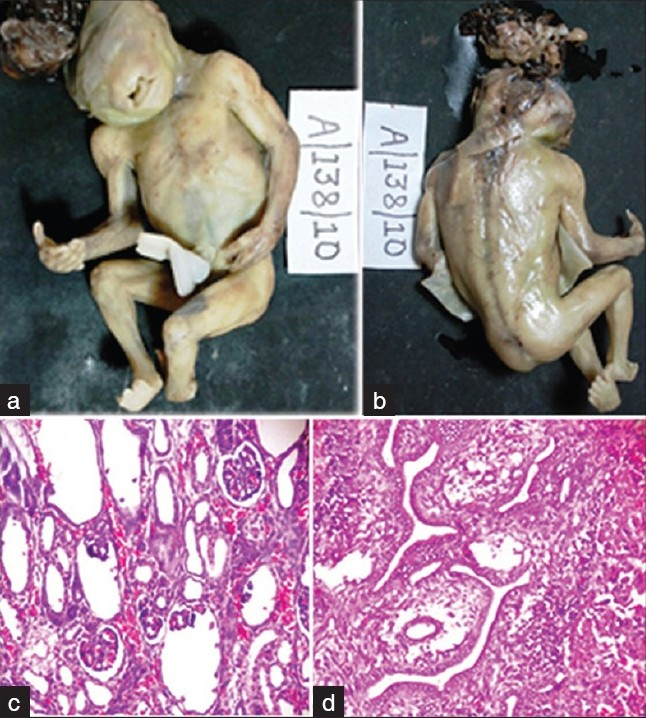
C Panduranga, Ranjit Kangle, Rajshree Badami, Prakash V Patil DOI:10.4103/0976-3147.91943 PMID:22346195Meckel-Gruber syndrome (MKS) is an autosomal recessive disorder, characterized by a combination of renal cysts and variably associated with features including developmental anomalies of the central nervous system (typically encephalocele), hepatic ductal dysplasia, cysts, and polydactyly. It is a rare syndrome with highest incidence in Gujarati Indians and Finnish population. We report two such cases of MKS in non-Gujarati Indian which were diagnosed by neonatal autopsy. |
| [ABSTRACT] [HTML Full text] [PDF] [Mobile Full text] [EPub] [PubMed] [Sword Plugin for Repository]Beta |
|
|
|
|
|
 |
Posterior fossa involvement in a recurrent gliosarcoma |
p. 60 |
Srikant Balasubramaniam, Devendra K Tyagi, Hemant V Sawant, Sridhar Epari DOI:10.4103/0976-3147.91944 PMID:22346196Gliosarcoma (GSM) is a WHO grade 4 tumor and a variant of glioblastoma multiforme with predilection for the temporal lobe. We record, perhaps the first case in literature, of a temporal lobe GSM with recurrence involving the posterior fossa. A 50-year-old man presented to us with headache, vomiting, and lethargy of relatively recent onset. Magnetic resonance imaging revealed a well-circumscribed lesion in the left temporal lobe for which left temporal craniotomy with radical excision of the tumor was performed. Histopathology was suggestive of GSM. He presented to us within a month of the first surgery with a large recurrence involving the temporal lobe. He underwent a second surgery with radical excision of the tumor. Histopathology was confirmatory of GSM. He was administered concomitant chemotherapy and radiotherapy. Within a fortnight of starting adjuvant therapy, the bone flap started bulging and a repeat computed tomography scan revealed a large recurrence extending into the posterior fossa. The patient's relatives refused consent for third surgery and he finally succumbed on postoperative day 21. GSMs are aggressive tumors that have a temporal lobe predilection, but they may present anywhere in the brain. Detailed studies on larger cohort of cases are needed to understand the true nature of these biphasic tumors. |
| [ABSTRACT] [HTML Full text] [PDF] [Mobile Full text] [EPub] [PubMed] [Sword Plugin for Repository]Beta |
|
|
|
|
|
 |
Frontonasal dysplasia (Median cleft face syndrome) |
p. 65 |
Seema Sharma, Vipin Sharma, Meenakshi Bothra DOI:10.4103/0976-3147.91947 PMID:22346197This is a report of a rare case of frontonasal dysplasia (FND) in a full-term girl with birth weight of 2.750 kg. The baby had the classical features of FND. There were no other associated anomalies. There was no history of consanguinity and no family history of similar conditions. So inheritance of this case could be considered sporadic. Maxillofacial surgery should be considered for all patients for whom improvement is possible. However, in developing countries where there are considerable limitations in provision of social services, with economic and educational constraints, correction of such major defects remains a challenging task. |
| [ABSTRACT] [HTML Full text] [PDF] [Mobile Full text] [EPub] [PubMed] [Sword Plugin for Repository]Beta |
|
|
|
|
|
 |
Perioperative challenges in patients with giant occipital encephalocele with microcephaly and micrognathia |
p. 68 |
Hukum Singh, Daljit Singh, DP Sharma, Monica S Tandon, Pragati Ganjoo DOI:10.4103/0976-3147.91949 PMID:22346198Meninigo-encepahlocoele (MEC ) is a common neurosurgical operation. The size of MEC may vary which has bearing with its management. The association of MEC with micrognathia and microcephaly is rarely reported. The association poses special problem for intubation and maintenance of anaesthesia. Giant MEC may lead to significant CSF loss resulting in hemodynamic alteration. The prior knowledge and care in handling the patient can avoid minor as well as major complications. |
| [ABSTRACT] [HTML Full text] [PDF] [Mobile Full text] [EPub] [PubMed] [Sword Plugin for Repository]Beta |
|
|
|
|
|
 |
Choroid plexus carcinoma in an adult |
p. 71 |
Sanjeev Kishore, Gita Negi, Harsh Meena, Kusum Anuradha, Prakash Ved Pathak, KK Bansal DOI:10.4103/0976-3147.91952 PMID:22346199Choroid plexus carcinoma is a very rare tumor in adults. Here we report a rare case of choroid plexus carcinoma in an adult patient. A 24-year-old male presented with a right temporal intraventricular tumor with a cystic component also extending up to the cortex. Histological examination revealed complex papillary structures and glandular spaces showing stratification and multilayering of cells with nuclear crowding and numerous mitotic figures and large areas of necrosis. The patient went through a complete search for a possible primary keeping in mind the differential diagnosis of metastatic carcinoma that is more common in adults but there was no evidence of any other tumor. Finally a diagnosis of choroid plexus carcinoma was rendered. Immunohistochemical analysis for p53 protein showed positivity. Choroid plexus carcinoma is exceptionally rare in adults but cases do occur. |
| [ABSTRACT] [HTML Full text] [PDF] [Mobile Full text] [EPub] [PubMed] [Sword Plugin for Repository]Beta |
|
|
|
|
|
 |
Cerebellar infarct with neurogenic pulmonary edema following viper bite |
p. 74 |
Salil Gupta, AK Tewari, Velu Nair DOI:10.4103/0976-3147.91954 PMID:22346200Russell's viper (Daboia russelli) bites are well known to cause bleeding complications. However, thrombotic complications are rare. We present the case details of a female who was bitten by a Russell's viper (Daboia russelli) in her village. She then developed features of envenomation in the form of hemorrhagic episodes. She received 27 vials of polyvalent anti-snake venom to which the hemorrhagic complications responded. After about 48 h of the bite she developed features of cerebellar infarct along with pulmonary edema which was in all probability neurogenic in origin. She was managed with mechanical ventilation and extra ventricular drainage with good recovery. We discuss the likely pathogenesis of the infarct and pulmonary edema occurring in a patient with viper bite and other features of envenomation. |
| [ABSTRACT] [HTML Full text] [PDF] [Mobile Full text] [EPub] [PubMed] [Sword Plugin for Repository]Beta |
|
|
|
|
|
|
| COMMENTARIES |
 |
|
|
|
Commentary |
p. 76 |
M Veerendra Kumar PMID:22346201 |
| [HTML Full text] [PDF] [Mobile Full text] [EPub] [PubMed] [Sword Plugin for Repository]Beta |
|
|
|
|
|
|
Commentary |
p. 78 |
Subramanian Senthilkumaran, Namasivayam Balamurugan, Ponniah Thirumalaikolundusubramanian PMID:22346202 |
| [HTML Full text] [PDF] [Mobile Full text] [EPub] [PubMed] [Sword Plugin for Repository]Beta |
|
|
|
|
|
|
| CASE REPORT |
 |
|
|
|
An undiagnosed myasthenia gravis presenting as isolated recurrent acute respiratory failure |
p. 80 |
Shri Ram Sharma, Nalini Sharma, ME Yeolekar DOI:10.4103/0976-3147.91961 PMID:22346203Acute respiratory failure is an uncommon initial presentation of myasthenia gravis (MG). In our case a 22-year-old woman of unrecognized MG presented to the emergency department with isolated respiratory failure as the first presenting symptom. Initially she presented with dysphonia and was managed by speech therapist and ENT surgeons for 3 months. Subsequently, she presented with signs and symptoms of sepsis and went into acute respiratory failure. This case highlights the need to consider MG in the differential diagnosis of an otherwise unexplained respiratory failure in the critical care setting. |
| [ABSTRACT] [HTML Full text] [PDF] [Mobile Full text] [EPub] [PubMed] [Sword Plugin for Repository]Beta |
|
|
|
|
|
|
| COMMENTARY |
 |
|
|
|
Commentary |
p. 82 |
Abhijit Chaudhuri PMID:22346204 |
| [HTML Full text] [PDF] [Mobile Full text] [EPub] [PubMed] [Sword Plugin for Repository]Beta |
|
|
|
|
|
|
| CASE REPORT |
 |
|
|
 |
Neurocysticercosis presenting as isolated wall-eyed monocular internuclear ophthalmoplegia with contraversive ocular tilt reaction |
p. 84 |
Suresh R Chandran, Rojith K Balakrishnan, K Umakanthan, K Govindarajan DOI:10.4103/0976-3147.91967 PMID:22346205Neurocysticercosis is a common tropical infection presenting with neurological signs. It commonly presents as seizures but various other focal neurological presentations have been reported. Though neurocysticercosis have been reported to present as isolated internuclear ophthalmoplegia, we report the first case of neurocysticercosis presenting as wall-eyed monoocular internuclear ophthalmoplegia syndrome with contraversive ocular tilt reaction. |
| [ABSTRACT] [HTML Full text] [PDF] [Mobile Full text] [EPub] [Citations (1) ] [PubMed] [Sword Plugin for Repository]Beta |
|
|
|
|
|
|
| COMMENTARY |
 |
|
|
|
Commentary |
p. 86 |
Chien-Ming Chen PMID:22346206 |
| [HTML Full text] [PDF] [Mobile Full text] [EPub] [PubMed] [Sword Plugin for Repository]Beta |
|
|
|
|
|
|
| CASE REPORT |
 |
|
|
 |
An unusual case of unilateral limb hypertrophy: Lipoma of sacral roots |
p. 89 |
Archana B Netto, Sanjib Sinha, Arun B Taly, Chandrajit Prasad, A Mahadevan, PS Bindu, Ravinder J Sidhu, TC Yasha DOI:10.4103/0976-3147.91972 PMID:22346207We report an unusual case of unilateral limb pseudo hypertrophy in a 21-year-old lady who developed progressive enlargement of the right calf followed by thigh in association with chronic leg pain. Magnetic resonance imaging (MRI) of the affected limb confirmed enlargement of various muscles. Electromyography revealed neurogenic features consistent with S1 radiculopathy. MRI of the lumbosacral spine showed tethered cord with a lipoma infiltrating multiple sacral roots. Our case illustrates that muscular pseudo hypertrophy may follow chronic denervation as a consequence of spinal neural compressive disease. The various mechanisms postulated for this distinct condition are outlined. |
| [ABSTRACT] [HTML Full text] [PDF] [Mobile Full text] [EPub] [PubMed] [Sword Plugin for Repository]Beta |
|
|
|
|
|
|
| COMMENTARY |
 |
|
|
|
Commentary |
p. 92 |
Kevin Kohan PMID:22346208 |
| [HTML Full text] [PDF] [Mobile Full text] [EPub] [PubMed] [Sword Plugin for Repository]Beta |
|
|
|
|
|
|
| IMAGES IN NEUROSCIENCES |
 |
|
|
 |
Midbrain cysticercal cyst |
p. 93 |
Dhaval Shukla DOI:10.4103/0976-3147.91974 PMID:22346209 |
| [HTML Full text] [PDF] [Mobile Full text] [EPub] [PubMed] [Sword Plugin for Repository]Beta |
|
|
|
|
|
|
| COMMENTARY |
 |
|
|
|
Commentary |
p. 94 |
Jaime G Torres Corzo PMID:22346210 |
| [HTML Full text] [PDF] [Mobile Full text] [EPub] [PubMed] [Sword Plugin for Repository]Beta |
|
|
|
|
|
|
| IMAGES IN NEUROSCIENCES |
 |
|
|
 |
Cirsoid aneurysm of scalp |
p. 95 |
Leo Francis Tauro, G Suhith, Prathvi Shetty, Diwakar Rao DOI:10.4103/0976-3147.91976 PMID:22346211 |
| [HTML Full text] [PDF] [Mobile Full text] [EPub] [PubMed] [Sword Plugin for Repository]Beta |
|
|
|
|
|
|
| LETTERS TO THE EDITOR |
 |
|
|
 |
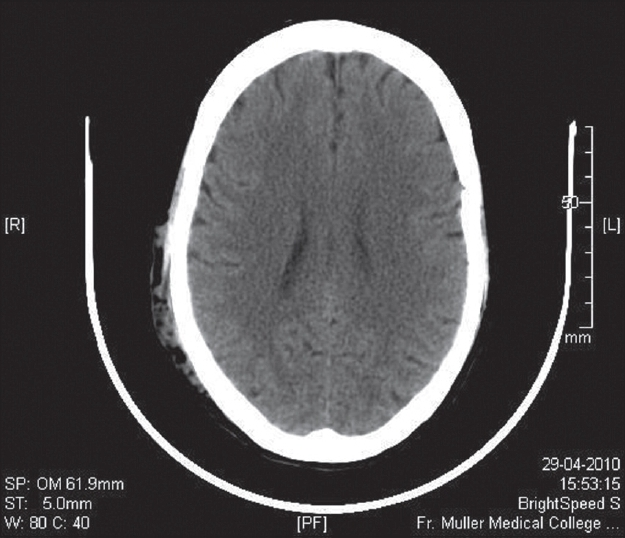
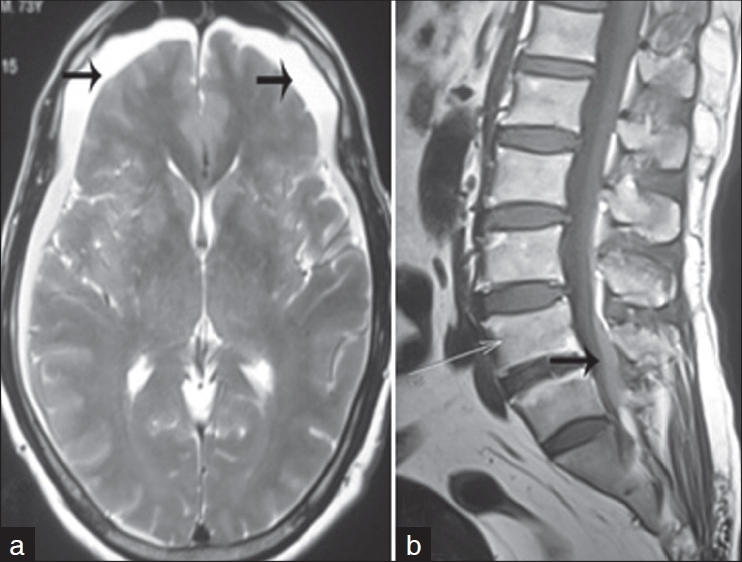
Bilateral intracranial and spinal subdural hematoma presenting as bilateral sciatica |
p. 97 |
KJ Jibu, MB Pranesh, B Prakash, K Saifudheen DOI:10.4103/0976-3147.91977 PMID:22346212 |
| [HTML Full text] [PDF] [Mobile Full text] [EPub] [PubMed] [Sword Plugin for Repository]Beta |
|
|
|
|
|
 |
Nontraumatic acute subdural hematoma associated with the myelodysplastic/myeloproliferative neoplasms |
p. 98 |
Shinya Ichimura, Takashi Horiguchi, Satoshi Inoue, Kazunari Yoshida DOI:10.4103/0976-3147.91978 PMID:22346213 |
| [HTML Full text] [PDF] [Mobile Full text] [EPub] [PubMed] [Sword Plugin for Repository]Beta |
|
|
|
|
|
|
| COMMENTARY |
 |
|
|
|
Commentary |
p. 100 |
Semra Paydas PMID:22346214 |
| [HTML Full text] [PDF] [Mobile Full text] [EPub] [PubMed] [Sword Plugin for Repository]Beta |
|
|
|
|
|
|
| LETTERS TO THE EDITOR |
 |
|
|
 |
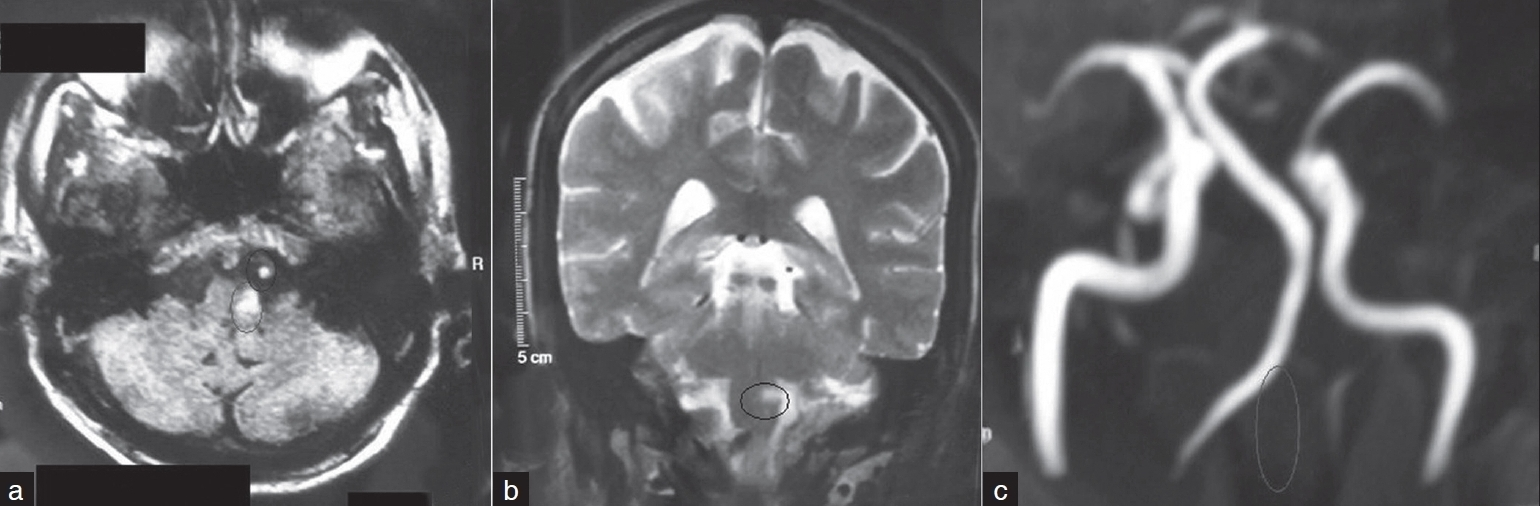
Wallenberg's syndrome |
p. 100 |
Shishir Ram Shetty, RL Anusha, Priya Sara Thomas, G Subhas Babu DOI:10.4103/0976-3147.91980 PMID:22346215 |
| [HTML Full text] [PDF] [Mobile Full text] [EPub] [PubMed] [Sword Plugin for Repository]Beta |
|
|
|
|
|
 |
Recurrent meningitis in a child with intranasal encephalocele |
p. 102 |
Edwin Dias, Meena Dias DOI:10.4103/0976-3147.91981 PMID:22346216 |
| [HTML Full text] [PDF] [Mobile Full text] [EPub] [PubMed] [Sword Plugin for Repository]Beta |
|
|
|
|
|
|
Single photon emission tomography as a predictor of outcome in vegetative state of head injury |
p. 103 |
Kurt A Jellinger DOI:10.4103/0976-3147.91982 PMID:22346217 |
| [HTML Full text] [PDF] [Mobile Full text] [EPub] [PubMed] [Sword Plugin for Repository]Beta |
|
|
|
|
|
|
Molecular mimicry and cross immunoreactivity in the pathogenesis of Guillain-Barré syndrome |
p. 104 |
Beuy Joob, Viroj Wiwanitkit DOI:10.4103/0976-3147.91983 PMID:22346218 |
| [HTML Full text] [PDF] [Mobile Full text] [EPub] [PubMed] [Sword Plugin for Repository]Beta |
|
|
|
|
|
|
Authors' reply |
p. 104 |
Katerina Brezovska, Ana Poceva Panovska, Aleksandra Grozdanova, Ljubica Suturkova, Ivana Basta, Slobodan Apostolski PMID:22346219 |
| [HTML Full text] [PDF] [Mobile Full text] [EPub] [PubMed] [Sword Plugin for Repository]Beta |
|
|
|
|
|
|
Curcumin in neurology |
p. 105 |
Dilip Gude DOI:10.4103/0976-3147.91985 PMID:22346220 |
| [HTML Full text] [PDF] [Mobile Full text] [EPub] [PubMed] [Sword Plugin for Repository]Beta |
|
|
|
|
|
|
Neuron-specific enolase and blood sugar level in ischemic stroke patients |
p. 106 |
Somsri Wiwanitkit, Viroj Wiwanitkit DOI:10.4103/0976-3147.91986 PMID:22346221 |
| [HTML Full text] [PDF] [Mobile Full text] [EPub] [PubMed] [Sword Plugin for Repository]Beta |
|
|
|
|
|
|
Type 1 neurofibromatosis and pheochromocytoma: Focus on hypertension |
p. 107 |
Massimiliano Rocchietti March DOI:10.4103/0976-3147.91987 PMID:22346222 |
| [HTML Full text] [PDF] [Mobile Full text] [EPub] [PubMed] [Sword Plugin for Repository]Beta |
|
|
|
|
|